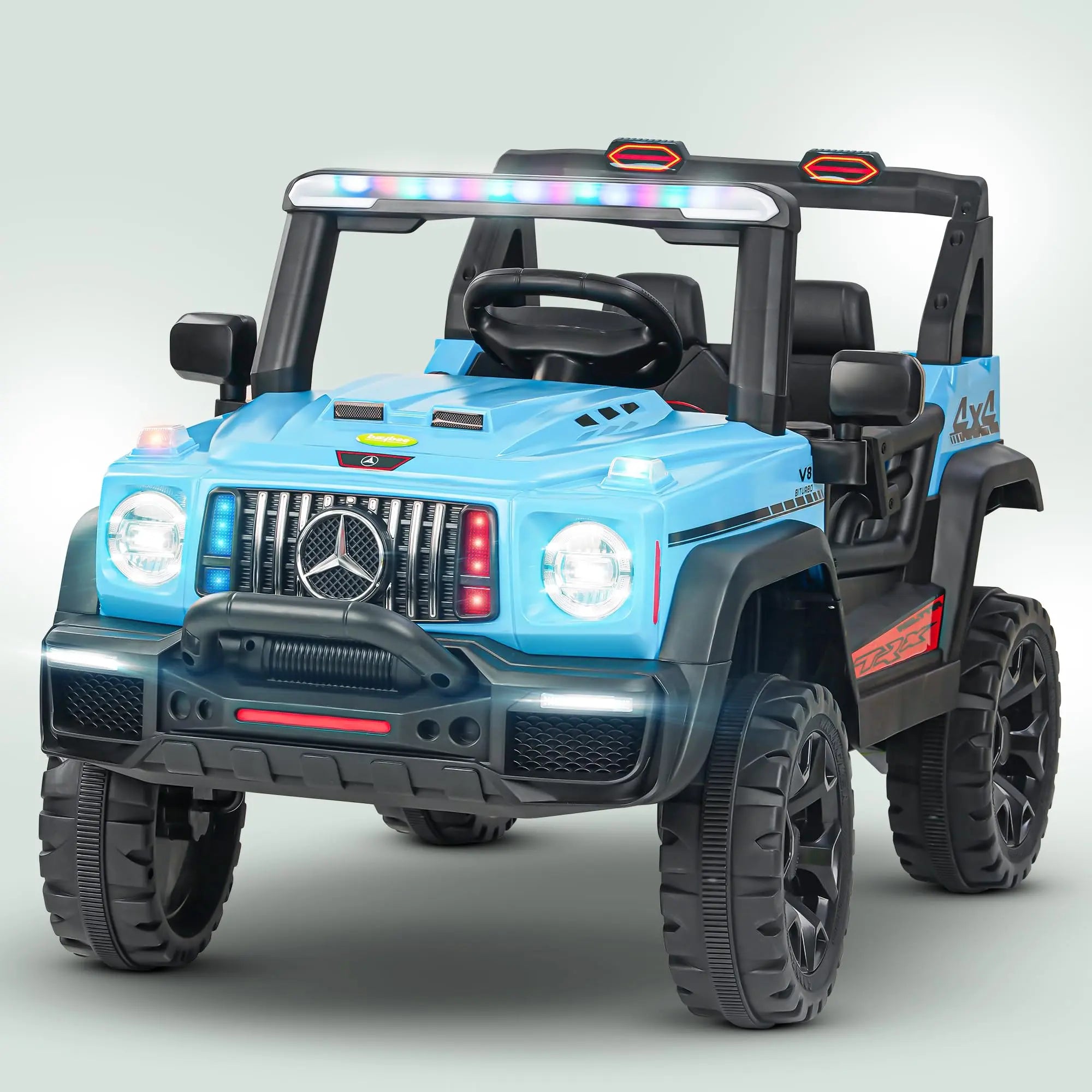
The right ride is the one your child can start, steer and stop on their own. Buy it a size too big "to last" and it sits unused for a year. This guide matches rides to age and height, and tells you what to check before you pay.
By age and height
| Age | Ride | Notes |
|---|---|---|
| 1.5 to 3 years | Tricycle with a parent push handle | Starts as a pushchair with a canopy and footrest; the child pedals when ready. |
| 2 to 4 years | Plug-and-play tricycle | Lighter, no handle; for children who already pedal. |
| 3 to 5 years | 3-wheel kick scooter (lean-to-steer) | Two wheels in front make it stable; teaches balance. |
| 3 to 5 years | Balance bike | No pedals. Children who use one usually skip training wheels. |
| 4 to 7 years | 12 to 16 inch bicycle with training wheels | Remove the training wheels once they glide with feet up. |
| 7 to 10 years | 20 inch bicycle | Hand brakes, gears optional. |
| 10 to 14 years | 24 inch bicycle | Gears and a helmet that fits properly. |
Sizing a bicycle by height, not age
Have the child stand over the frame with both feet flat and 3 to 5 cm of clearance. Seated, the balls of both feet should touch the ground while learning; the toes only once they ride confidently. Wheel size is the label to look at: 12 inch for roughly 85 to 100 cm height, 14 inch for 95 to 110 cm, 16 inch for 105 to 120 cm, 20 inch for 115 to 135 cm, 24 inch for 130 cm and up. Measure at home and bring the number.
Tricycle features worth paying for
- A parent handle that actually steers (some only push).
- Canopy for the sun, seat belt and a footrest for the pre-pedal months.
- Rubber or EVA wheels: quieter indoors, better grip outside.
- A basket. Every child collects stones.
Scooters
Start with a 3-wheel scooter that steers by leaning; it stands up on its own. Move to a 2-wheel scooter around 5 or 6. Check the handlebar adjusts to the child's hip height and that the rear brake works with a light foot.
Bicycles
Look for a chain guard, a rear coaster brake for small hands plus a front hand brake, and training wheels that bolt on firmly. A bell and reflectors are not extras. Lighter frames are easier for a child to handle, even if they cost a little more.
Safety gear
A helmet from the first ride, sized so it sits level and does not rock. Knee and elbow pads for scooters and the first weeks on two wheels. Closed shoes always; no chappals on pedals.
What to check in the store
- Sit the child on it. Feet, handlebar and knees should line up as described above.
- Squeeze the brakes; the child must be able to.
- Spin the wheels and listen for rubbing.
- Check the seat and handlebar adjust and lock tight.
- Ask what is assembled and what you need to do at home.
Shop this guide
Questions parents ask us
What age is right for a tricycle?
Balance bike or training wheels?
How do I know which bicycle size to buy?
Do children need a helmet on a tricycle?
Still deciding? Ask us.
Message the store team with your budget and your child's age. We reply with options, photos and the nearest store that has them in stock.
Ask on WhatsAppFind your nearest store